“crop harvest” search results (700)

Introduction of the whole process from coffee tree to fruiting
One of the characteristics of a coffee tree is that its fruit can bear fruit several times a year, and another is that flowers and fruits (also known as cherries) coexist at different stages of ripening. The whole coffee harvest is swayed by the vagaries of nature. If the fruit is too ripe, the beans in it will rot. If it is not ripe enough, the beans picked will not ripen by themselves. So bean pickers have to go through
2016-06-13 Coffee fruit whole process introduction coffee characteristics first its fruit.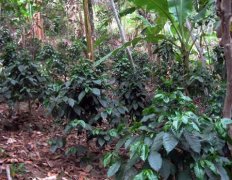
The production of high-quality coffee beans
Coffee trees take 3-5 years from planting to fruiting. 6-10 years of coffee trees are the most likely to bear fruit, about 15-20 years, is the harvest period. Coffee trees are usually bred in nurseries and grow into saplings, and then moved to coffee farms a year later, in full compliance with the way the Arabs planted and cultivated coffee trees. Coffee trees will continue to take root downward and upward in the first four or five years of their growth.
2014-09-30 Coffee knowledge boutique coffee science coffee bean production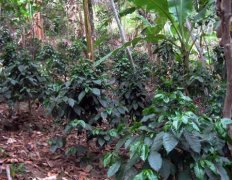
Coffee trees take 3-5 years from planting to fruiting.
Coffee trees take 3-5 years from planting to fruiting. 6-10 years of coffee trees are the most likely to bear fruit, about 15-20 years, is the harvest period. Coffee trees are usually bred in nurseries and grow into saplings, and then moved to coffee farms a year later, in full compliance with the way the Arabs planted and cultivated coffee trees. Coffee trees will continue to take root downward and upward in the first four or five years of their growth.
2015-09-15 Coffee planting fruit 3-5 years old coffee
The name of Ethiopian Sidamo single Coffee. Sidamo ancient prostitute.
When coffee is found, it is not called coffee, it is called Devil Bean, but the Devil King will eventually be roasted and eaten by the brave. Legend has it that the shepherds in the small town of Kafa in Ethiopia were so excited when they saw the sheep eaten (sheep: ordinary disico our ordinary shake). Later, since the shepherds took the beans to cook and gave them to others, they packaged and spread them all over the world, called
2016-04-30 Ethiopia Dharma single product coffee name ancient prostitute was found when
Production of coffee beans Coffee trees from planting to fruiting
Coffee trees take 3-5 years from planting to fruiting. 6-10 years of coffee trees are the most likely to bear fruit, about 15-20 years, is the harvest period. Coffee trees are usually bred in nurseries and grow into saplings, and then moved to coffee farms a year later, in full compliance with the way the Arabs planted and cultivated coffee trees. Coffee trees will continue to take root downward and upward in the first four or five years of their growth.
2015-06-04 Coffee beans production coffee planting fruit 3-5 year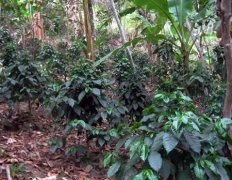
Production of coffee beans Coffee trees from planting to fruiting
Coffee trees take 3-5 years from planting to fruiting. 6-10 years of coffee trees are the most likely to bear fruit, about 15-20 years, is the harvest period. Coffee trees are usually bred in nurseries and grow into saplings, and then moved to coffee farms a year later, in full compliance with the way the Arabs planted and cultivated coffee trees. Coffee trees will continue to take root downward and upward in the first four or five years of their growth.
2015-10-13 Coffee beans production coffee planting fruit 3-5 year
The production of coffee basic knowledge and high-quality coffee beans
Coffee trees take 3-5 years from planting to fruiting. 6-10 years of coffee trees are the most likely to bear fruit, about 15-20 years, is the harvest period. Coffee trees are usually bred in nurseries and grow into saplings, and then moved to coffee farms a year later, in full compliance with the way the Arabs planted and cultivated coffee trees. Coffee trees will continue to take root downward and upward in the first four or five years of their growth.
2014-12-28 Coffee basics common sense boutique coffee beans production coffee planting results 3-
World Coffee Bean Certification What is Organic Coffee Bean? How to properly certify organic coffee beans?
Organic coffee is coffee grown without the use of synthetic pesticides, herbicides or chemical fertilizers. These ways of growing coffee help maintain a healthy environment and keep groundwater pure. After harvesting, be sure to use an organic certified roasting plant to process coffee beans. Organic coffee is coffee beans grown in the shade.
2016-01-04 world coffee beans certified what organic how right coffee is in
The general knowledge of fine coffee explains the production of coffee beans in detail.
Coffee trees take 3-5 years from planting to fruiting. 6-10 years of coffee trees are the most likely to bear fruit, about 15-20 years, is the harvest period. Coffee trees are usually bred in nurseries and grow into saplings, and then moved to coffee farms a year later, in full compliance with the way the Arabs planted and cultivated coffee trees. Coffee trees will continue to take root downward and upward in the first four or five years of their growth.
2014-11-12 Coffee knowledge coffee common sense coffee bean production
Boutique coffee learns how to distinguish between new beans and old beans
The main components of raw beans are: carbohydrates, about 49%; moisture, about 12%; protein. About 11%; chlorogenic acid, about 7.6% alkaloids and trace elements, about 0.4%. According to the length of time, raw beans can be specifically divided into: seasonal beans (Current Crop), that is, fresh beans; new beans (New Crop), that is, raw beans of the first year; and old beans (Past Crop), that is,
2014-11-22 Coffee knowledge boutique coffee science new coffee beans old coffee beans
Coffee crisis: mankind's favorite drink is coming to an end?
While sipping lattes and espressos and reading newspaper headlines, we don't seem to feel much threat from climate change. Yet travel thousands of miles to the origin of this refreshing drink and you get a real sense of how real the threat of climate change is. Recently, from the University of California Santa Barbara (University of Californ)
2015-08-31 coffee crisis human love drink towards doomsday
Specialty Coffee III
Before saying that in the factors affecting the taste of a cup of coffee, raw beans account for 60%, roasting accounts for 30%, production accounts for 10%, this is a rough analysis, then throughout the life course of coffee beans, from crop to cup factors affecting the taste of a cup of coffee can be infinitely refined. First, the variety. Sow melons and reap melons, sow beans and reap beans. Whether you plant melons or beans, seed selection is the first priority. Of course, I
2015-10-12 Coffee specialty coffee three before shadow
Boutique Coffee (specialty coffee)
It was said before that among the factors that affect the taste of a cup of coffee, raw beans account for 60%, roasting accounts for 30%, and production accounts for 10%. This is a general analysis, so throughout the life process of coffee beans, the factors that from crop to cup affects the taste of a cup of coffee can be infinitely refined. The first is the variety. Sow melon, reap beans, no matter whether it is to plant melons or beans, seed selection is the most important, of course I
2014-09-28 Coffee knowledge boutique coffee coffee encyclopedia
3 minutes to teach you how to buy coffee beans.
You can't make mellow coffee without good coffee beans / powder.
2014-07-08 Coffee knowledge selection of coffee beans coffee encyclopedia
Introduction of Herbal Coffee in Qifeng Town of Lu County Opens a New Channel for Farmers 'Income Increase
On July 18, when the author came to Jinyu Village, Qifeng Town, Lu County, villagers Chen Dazhang, Li Baoshan and other people were busy loosening soil and weeding herbal coffee in the field. "If the harvest is good in August this year, he will continue to expand the planting scale." Chen Dazhang pointed to the coffee on the slope and said,"We have planted corn, sorghum, wheat and other crops, but this is the first time to grow herbal coffee."
2014-07-23 Coffee News Herbal Coffee Lu County New Channel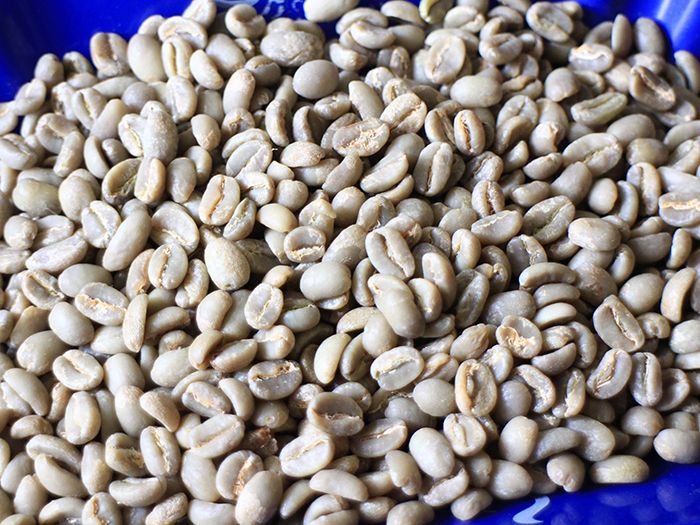
What kind of raw beans are high-quality raw beans? How to choose raw coffee beans? Xida, Ethiopia
What kind of raw beans are high-quality raw beans? First look at the surface of beans, fresh and high-quality raw beans, the surface is shiny, in addition, the processing of good raw beans, uniform color, the surface of uneven color can not be called good beans, must choose uniform color. Secondly, the particle size is the same, which is also evidence of good quality management. Make sure that the particle size is the same when you buy it.
2016-04-14 How raw beans is quality how selection coffee Ethiopia Xida
Indonesian coffee bean producing area Cappuccino cup capacity
Java Island, the main coffee producing area, the oldest producing area, Java coffee reputation from the 18th century Indonesian coffee glory era continues to this day, mention Java coffee, still can be associated with high quality delicious, then the most famous blend is Java coffee with Yemen mocha. In addition, Java also has a very famous aged coffee, or monsoon coffee Monsooned c
2016-06-13 Indonesia Coffee Bean Region Cappuccino Cups Capacity Coffee Claw
Raw coffee beans
When it comes to coffee beans, what does it look like in your mind? Black? Glittering? Do you remember when you first saw coffee and raw beans? Do you remember what it was like to see coffee and raw beans for the first time? Raw coffee beans are the processed products of the seeds in the coffee fruit on the coffee tree. Most of the coffee-producing countries export raw coffee beans. Coffee and raw beans need to go through
2014-09-03 Raw coffee beans
Specialty coffee Fine Coffee (3) factors determining Coffee Taste
It was said before that among the factors that affect the taste of a cup of coffee, raw beans account for 60%, roasting accounts for 30%, and production accounts for 10%. This is a general analysis, so throughout the life process of coffee beans, the factors that from crop to cup affects the taste of a cup of coffee can be infinitely refined. The first is the variety. Sow melon, reap beans, no matter whether it is to plant melons or beans, seed selection is the most important, of course I
2014-09-11 Coffee knowledge fine coffee coffee taste coffee factor
Basic knowledge of Coffee definition of Fine Coffee
It was said before that among the factors that affect the taste of a cup of coffee, raw beans account for 60%, roasting accounts for 30%, and production accounts for 10%. This is a general analysis, so throughout the life process of coffee beans, the factors that from crop to cup affects the taste of a cup of coffee can be infinitely refined. The first is the variety. Sow melon, reap beans, no matter whether it is to plant melons or beans, seed selection is the most important, of course I
2014-12-26 Coffee basics common sense boutique definition before influence one cup coffee taste